Monday 09 / November / 2026
New Delhi: India has approved a $1.53 billion (Rs145 billion) funding programme to accelerate the development of large-scale energy storage infrastructure, strengthen grid stability and support the integration of renewable energy into the national electricity network.
The Union Cabinet approved the initiative on November 4, targeting the creation of 92 gigawatt-hours (GWh) of energy storage capacity between fiscal years 2026–27 and 2030–31.
The planned capacity includes 60 GWh from pumped hydro storage projects, 30 GWh from battery energy storage systems and 2 GWh from emerging storage technologies.
The programme is expected to attract total investments of around $10.3 billion, significantly expanding India's energy storage capabilities and improving the reliability of electricity supply.
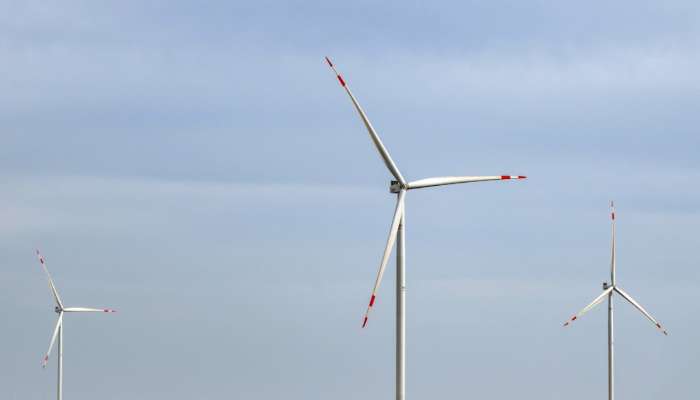
The initiative aims to address the intermittent nature of solar and wind power by enabling surplus electricity to be stored and supplied during periods of peak demand or when renewable energy generation declines.
It also introduces a minimum domestic content requirement of 40% for battery storage projects, aimed at strengthening local manufacturing capabilities and reducing dependence on imported components.
The move forms part of India's broader strategy to expand clean energy infrastructure, enhance grid flexibility and ensure long-term energy security as the country increases its reliance on renewable sources.