Thursday 12 / November / 2026
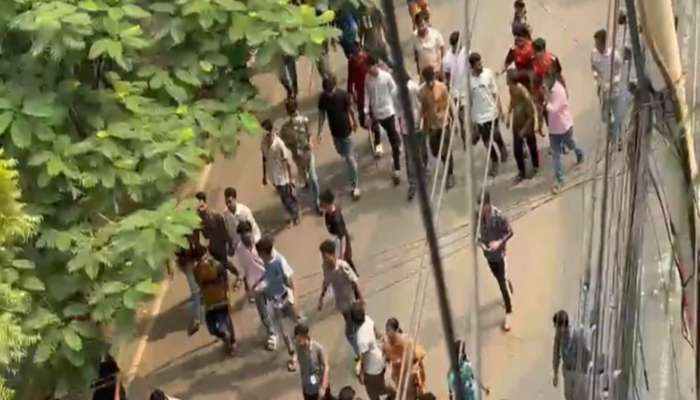
Dhaka: Bangladesh’s garment industry is facing mounting disruption as tens of thousands of workers demand more than double their current minimum wages, triggering widespread protests and forcing hundreds of factories supplying international fashion brands to suspend operations.
Workers have taken to the streets in Dhaka and major industrial centres, including Gazipur, Ashulia and Narayanganj, demanding an increase in the monthly minimum wage from 12,500 taka to 30,000 taka (US$237). Demonstrations have escalated into clashes with police, with protesters vandalising factories and blocking roads, disrupting production across several industrial zones.
On Wednesday, the statutory Minimum Wage Board agreed that a revised wage structure would come into effect in December. However, it has yet to announce a specific pay increase as negotiations between factory owners and worker representatives continue.
The disruption has affected factories supplying major global retailers and fashion brands, including H&M, Zara and Walmart, raising concerns about Bangladesh’s position in the international apparel supply chain.
The garment industry is central to Bangladesh’s economy, accounting for more than 80 per cent of the country’s export earnings and around 10 per cent of its economic output. The sector employs approximately four million people, making the ongoing unrest a significant economic and political challenge for the government led by Prime Minister Tarique Rahman.
The protests come at a difficult time for factory owners, who are struggling with rising production costs and persistent shortages of electricity and natural gas. The energy crisis, linked to the ongoing conflict in the Middle East, has forced several factories to reduce output, change working schedules or temporarily suspend operations.
Rolling power cuts have also increased dependence on costly generators, while frequent interruptions to production have resulted in additional expenses and compulsory overtime.
A geopolitical analyst said the combination of energy shortages, rising operating costs and labour unrest had created significant pressure on the industry. He noted that repeated power cuts were disrupting factory operations throughout the day and increasing production expenses.
The Middle East conflict has also affected remittances sent home by millions of Bangladeshis working abroad, adding pressure on the country's foreign exchange reserves. Remittances represent one of Bangladesh's major sources of foreign currency, alongside garment exports.
Meanwhile, the government is negotiating a fresh financial assistance package with the International Monetary Fund after ending an earlier US$5.5 billion arrangement over disagreements concerning reform conditions. Any new package is expected to include requirements relating to tax collection and reducing bad loans in the banking sector.
The unrest could also weaken Bangladesh's competitiveness against regional garment exporters such as India and Vietnam. Bangladesh's major advantage in the global apparel market has traditionally been its relatively low labour costs.
Swaran Singh, former professor at Jawaharlal Nehru University's School of International Studies, said the timing of the protests was particularly concerning because the industry was already experiencing supply-side difficulties.
He warned that prolonged labour unrest could disrupt delivery schedules and undermine the confidence of international buyers, potentially encouraging them to shift orders to competing manufacturing destinations.
The analyst similarly cautioned that continued disruption could damage the confidence of Western customers and threaten an important source of Bangladesh's foreign exchange earnings.
He said workers' dissatisfaction had been building for several years, driven by rising living costs and longstanding grievances. He noted that labour groups had also participated in the student-led protests that brought down the government of Sheikh Hasina in 2024.
He stressed that immediate economic relief was necessary to address workers' concerns, warning that assurances of a future minimum wage increase might not be sufficient if employees believed their demands were being delayed.
He cautioned that the continuing unrest could extend beyond a law-and-order challenge and develop into a major economic crisis for Bangladesh.