Wednesday 28 / October / 2026
New Delhi: India’s growing petroleum refining capacity is strengthening its position in global energy markets as geopolitical conflicts disrupt fuel supplies and push oil prices higher.
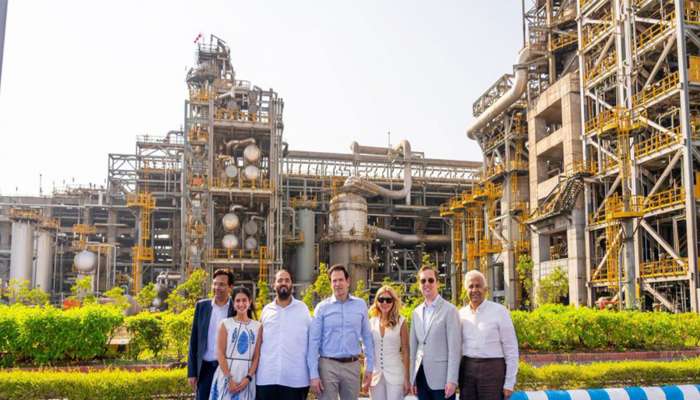
US Secretary of State Marco Rubio’s recent visit to Jamnagar in Gujarat, home to Reliance Industries’ massive refinery, highlighted India’s increasing strategic importance. His trip, which also included Mumbai, focused on expanding energy cooperation and encouraging Indian refiners to process more US and Venezuelan crude.
India is the world’s fourth-largest crude oil refiner, after China, the United States and Russia, with an installed capacity of approximately 267 million metric tonnes per annum (MMTPA). The government aims to increase this to 309.5 MMTPA by 2030.
The country’s refining capabilities are becoming increasingly significant as attacks damage energy infrastructure in Russia and West Asia, while limited new capacity in the US and China’s restrictions on refinery expansion create opportunities for Indian producers.
According to commodities analytics firm Kpler, India’s diversified crude sourcing, access to discounted Russian oil and high refinery utilisation have helped sustain production and exports despite market uncertainties.
India’s petroleum product exports rose approximately 37 per cent year-on-year between April and September, exceeding US$41.18 billion, government data showed. Exports to Singapore have also increased significantly, supported by the city-state’s role as a major oil trading and redistribution hub.
Rubio described India as a “refining superpower”, noting its ability to process Venezuelan heavy crude. Washington is seeking additional fuel supplies to stabilise global markets amid tensions with Iran and rising domestic energy prices.
Reliance Industries’ Jamnagar facility can process approximately 1.4 million barrels of crude daily. India’s imports of Venezuelan oil have also increased as discounted supplies attract refiners amid changing Russian oil trade conditions.
Meanwhile, India is expanding its domestic refining infrastructure. The government-backed refinery at Pachpadra in Rajasthan, launched in July 2026, has a processing capacity of 180,000 barrels per day. Industry estimates suggest around 900,000 barrels per day of additional refining capacity could come online by 2030, with much of it expected before the end of 2027.
However, challenges remain. India’s heavy dependence on imported crude exposes refiners to volatile freight costs, supply disruptions and geopolitical risks. Maintaining competitive margins while meeting stricter environmental standards will also be essential.
Rising domestic fuel consumption could absorb part of the additional output, limiting export growth.
India’s long-term position as a major refined petroleum supplier will therefore depend not only on expanding capacity but also on securing reliable crude supplies and balancing domestic demand with export opportunities.




