Sunday 18 / October / 2026
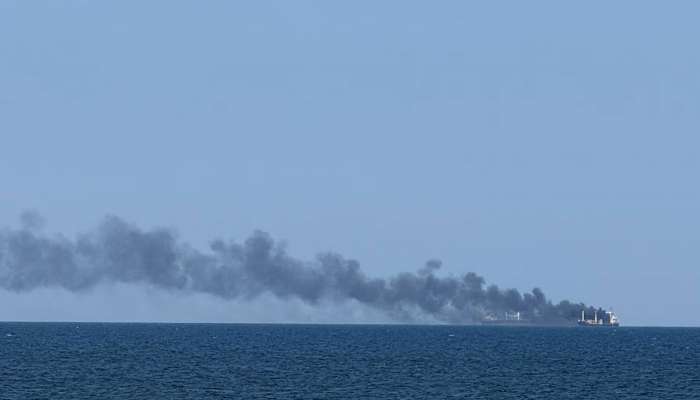
As the United States pressures Russia and Ukraine to halt attacks on oil refineries, India is pursuing a broader diplomatic initiative to reduce hostilities. New Delhi has reportedly proposed a three-part ceasefire covering energy infrastructure, Black Sea shipping, and commercial maritime security.
The proposal, conveyed to Ukrainian officials during External Affairs Minister S. Jaishankar’s visit to Kyiv in September, aims to stop attacks on energy facilities and other infrastructure, maintain grain and energy shipments through Black Sea ports, and end strikes on commercial vessels. Unlike separate initiatives promoted by Turkey, Egypt, and the United States, India’s plan seeks to address interconnected economic and security concerns.
Ukrainian Foreign Minister Andrii Sybiha has indicated that Kyiv is open to an energy and Black Sea ceasefire, provided both elements are addressed together. The Kremlin has also welcomed India’s involvement, although spokesperson Dmitry Peskov described the proposal as addressing only one aspect of a potential settlement. Moscow continues to insist on a sustainable peace rather than a temporary truce, arguing that a ceasefire could allow Ukraine to regroup and rearm.
Russia’s Energy Crisis and India’s Economic Interests
Ukrainian attacks on Russian oil refineries have contributed to domestic fuel shortages, forcing Moscow to suspend fuel exports and seek refined petroleum products from countries including Kazakhstan, Belarus, and India. This has created a more complex energy relationship between Moscow and New Delhi, as Russia supplies crude oil to India while importing refined fuels from its South Asian partner.
India also has strong economic reasons to pursue peace. With the International Monetary Fund raising its growth forecast to 7 percent, New Delhi wants to limit the effects of prolonged conflict on energy prices, food supplies, and international trade. Disruptions to Black Sea shipping and global commodity markets threaten economic stability far beyond Europe.
Four Mediators, Different Priorities
The United States is primarily concerned with rising domestic fuel prices and their potential political consequences ahead of the midterm elections. President Donald Trump has therefore sought to discourage Ukrainian attacks on Russian refineries.
Turkey is focused on maritime security and the economic opportunities associated with grain transportation through the Black Sea. Its role in brokering the 2022 Black Sea Grain Initiative strengthened its regional influence and benefited its shipping and port sectors.
Egypt’s priority is food security. As a major wheat importer dependent on Black Sea supplies, it faces higher food prices and transportation costs whenever attacks disrupt commercial shipping.
India, meanwhile, appears to be pursuing a broader strategy. Its proposal seeks to protect energy infrastructure, preserve maritime trade, and reduce pressure on global food and fuel markets. By maintaining relations with both Moscow and Kyiv, New Delhi also has an opportunity to strengthen its diplomatic standing.
Prospects for a Ceasefire
Despite these efforts, neither Russia nor Ukraine appears ready to abandon its strategic objectives. Moscow remains skeptical of temporary arrangements, while Kyiv sees limited ceasefires as insufficient without broader security guarantees.
Nevertheless, a partial truce could protect critical infrastructure, sustain commercial shipping, and ease global economic pressures. India’s challenge is to persuade both sides that suspending attacks in specific areas can serve their immediate interests without requiring them to resolve the entire conflict.