Monday 12 / October / 2026
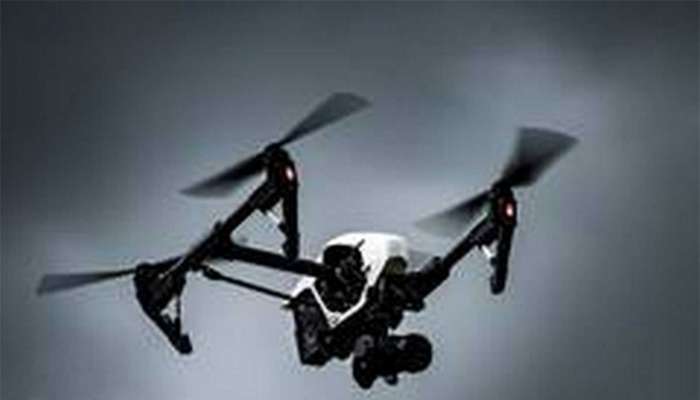
Indian scientists at the Central Scientific Instruments Organization (CSIO) in Chandigarh have developed an acoustic defence system capable of bringing down unauthorized drones without using ammunition, lasers or conventional radio-frequency jamming.
The technology uses high-intensity sound waves directed at a drone’s internal MEMS gyroscopes—the microelectromechanical sensors responsible for measuring rotation and maintaining flight stability. Special acoustic transducers emit sound at the resonance frequency of these sensors, causing them to vibrate abnormally.
The resulting false sensor readings are transmitted to the drone’s flight computer, which attempts to correct movements that are not actually occurring. The drone consequently becomes unstable, begins to wobble and can crash within seconds.
The system was developed with funding from the IHUB-NTIHAC technology and cybersecurity hub at IIT Kanpur. Unlike conventional jammers, it does not interfere with the drone’s radio communications. This gives it an important advantage against autonomous drones that can operate without a remote-control link.
The development comes amid growing concern in India over the use of inexpensive small drones for cross-border smuggling of narcotics, weapons and counterfeit currency. The extensive use of drones during Operation Sindoor in 2025 also highlighted their increasing importance in modern military operations.
Experts estimate that acoustic counter-drone systems can operate over distances of several hundred metres. An Air Force officer said the technology could be particularly useful for point defence against micro- and nano-drones, especially in densely populated urban environments where radar performance can be constrained.
However, the system has limitations. Loud background noise, strong winds and unfavorable temperatures can affect its effectiveness. As a result, the acoustic technology is expected to complement rather than replace radar systems and electronic jammers.
The modular design can also allow authorized drones operating in the same airspace to remain protected, potentially reducing the risk of indiscriminate disruption.
CSIO is now looking for industry partners to take the technology into mass production and commercialization, opening the possibility of its deployment for military installations, critical infrastructure and urban security.