Tuesday 13 / October / 2026
For decades, Oman has built a distinctive diplomatic role in the region through something that does not appear on an energy balance sheet: its ability to maintain relationships across political divides. As the global energy system changes, that diplomatic experience may be taking on new economic significance.
At the same time, Oman is positioning itself for a lower carbon energy future, particularly through renewable energy and green hydrogen.
Globally, however, the market for low emissions hydrogen is still far from mature. The International Energy Agency’s latest assessment shows that many of the commercial and institutional arrangements needed to support its growth are still developing.
Producing cleaner energy is therefore only part of the picture. New energy markets will also depend on cooperation between governments, investors, producers and consumers across borders.
This is where Oman presents an interesting case. Its clean energy ambitions are advancing alongside a diplomatic tradition built on maintaining relationships, facilitating dialogue and engaging across political divides. The significance may lie not simply in these two strengths, but in how they begin to intersect.
There are already signs of that intersection. In February, Oman’s Diplomatic Academy and Oman Net Zero Centre brought together heads of diplomatic missions to discuss low carbon investment opportunities and cooperation with partner countries. Oman is also building international partnerships around hydrogen corridors and the infrastructure needed to support them. An agreement with Japan this year established cooperation through the Joint Crediting Mechanism to encourage emissions reduction projects and investment.
Taken together, these developments raise a broader idea. Energy diplomacy is about more than using diplomacy to sell energy.
It sits where foreign policy and energy strategy meet. It can bring energy security, investment and technology into the wider diplomatic conversation. For newer energy markets, that can mean helping producers and consumers find common ground, while supporting the investment, standards and infrastructure that make cross border trade possible.
For Oman, there is a wider significance to this. In the hydrocarbon era, energy resources, security of supply and trade relationships became important sources of geopolitical influence. As the energy system changes, influence may also come from an ability to connect resources, markets, capital and political relationships.
Seen in that context, energy diplomacy could become more than an extension of the Sultanate’s energy policy. It could become another expression of Oman’s established role as a connector, this time among the producers, investors and consumers participating in a changing global energy economy.
Oman’s next energy advantage, then, may not rest on energy alone. The Sultanate’s longstanding emphasis on dialogue and constructive engagement offers another asset as energy relationships are redrawn. The question is how that diplomatic experience might shape Oman’s place in the energy system now taking form.
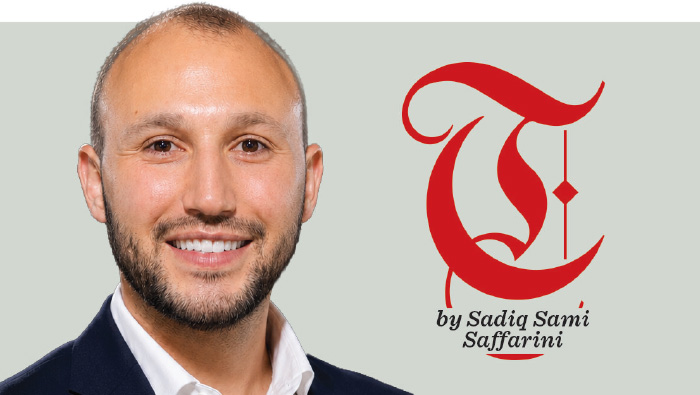
* Sadiq Sami Saffarini is a Harvard University alumnus and scholar of international relations, with interests in global governance, energy and sustainability. He previously served with the American Red Cross and held a faculty appointment lecturing in international security, conflict studies and global governance.