Saturday 17 / October / 2026
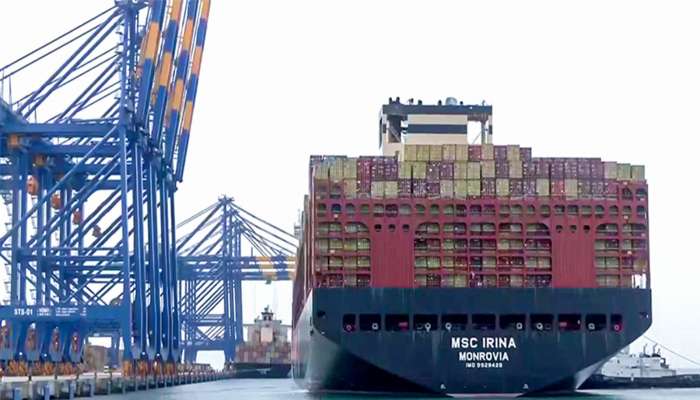
New Delhi: The India-New Zealand FTA has finally been signed, and while most conversations are centred around trade and investment, there's another side to it that's getting attention-travel and mobility. The India New Zealand FTA quietly opens doors that weren't this easy before, especially for Indians looking at New Zealand beyond just a holiday.
With the India-New Zealand Free Trade Agreement 2026, movement between the two countries is expected to become smoother. For travellers, this doesn't just stay on paper. It reflects in how easily one can now apply for New Zealand Visa for Indians without going through the kind of lengthy process that used to discourage many first-time travellers.
On paper, the India-New Zealand trade deal talks about large-scale benefits, billions in investments and 100% duty free access across several sectors. But step back a little, and you'll notice something else: people are at the centre of this shift.
The deal comes as both countries seek to play a larger role in the Indo-Pacific region. India, one of the world’s fastest-growing major economies, is projected to become the third-largest global economy by 2030, creating vast opportunities for international businesses. For New Zealand, improved access to India’s rapidly growing consumer market offers significant potential for exports and investment.
Trade between the two countries remains modest but is growing quickly. According to official figures, bilateral merchandise trade increased by 49 percent in FY2024–25, reaching USD 1.3 billion. India exports pharmaceuticals, machinery, chemicals, textiles and other manufactured goods to New Zealand, while New Zealand supplies agricultural, forestry and horticultural products, wool and metals to India.
Agriculture was the most sensitive area in negotiations, with India seeking to protect millions of small-scale farmers. As a result, only a limited range of New Zealand agricultural products—including apples, kiwifruit, Manuka honey and albumins—will receive market access under strict safeguards. The agreement also includes commitments to agricultural productivity cooperation and the establishment of a Joint Agriculture Productivity Council to monitor implementation.
Beyond trade, the FTA is expected to encourage greater investment flows and joint ventures in sectors such as technology, advanced manufacturing, agribusiness, logistics, renewable energy and infrastructure. By reducing regulatory barriers and improving transparency, the agreement aims to increase investor confidence and strengthen economic integration.
The pact also carries broader strategic importance. Both India and New Zealand are seeking to diversify partnerships and enhance cooperation in the Indo-Pacific. Building on a defence cooperation agreement signed in 2025, the FTA is expected to support closer collaboration in areas including maritime security, regional stability and economic resilience. With Indian Prime Minister Narendra Modi scheduled to visit New Zealand in July, the agreement is being viewed as a foundation for a stronger long-term partnership that extends well beyond trade.