Sunday 11 / October / 2026
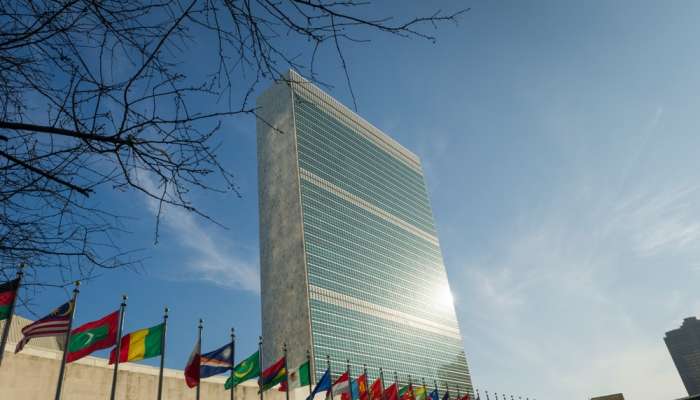
New York: The United Nations Security Council (UNSC) is convening a series of meetings this week focused on developments in the Middle East and Africa. Over the coming days, it will discuss the implementation of Resolution 1559 on Lebanon, the latest situation in the disputed Abyei border region between Sudan and South Sudan, along with military and organisational matters, as part of a packed agenda reflecting escalating international challenges.
The Council, which is presided over by China for the month of May, will hold consultations on Tuesday to discuss the Secretary‑General’s report on the implementation of Resolution 1559 concerning Lebanon, which calls for the withdrawal of foreign forces. Under‑Secretary‑General for Political and Peacebuilding Affairs Rosemary DiCarlo will brief the Council on the matter.
Two meetings on the UN Interim Security Force for Abyei (UNISFA) will take place on Thursday to discuss developments in the disputed region. The Military Staff Committee will hold a formal meeting on Friday, 8 May 2026, to address military coordination issues within the UN system.
China, as Council president this month, intends to convene a high‑level open debate at the ministerial level on “Promoting Commitment to the Purposes and Principles of the UN Charter and Strengthening the Multilateral International System” under the agenda item “Maintenance of International Peace and Security.” Chinese Foreign Minister Wang Yi will chair the meeting, and Secretary‑General António Guterres is expected to brief a session later in the month.
The Council will also hold its annual open debate on the protection of civilians, discussing the Secretary‑General’s annual report with the participation of the President of the International Committee of the Red Cross and an official from the UN Office for the Coordination of Humanitarian Affairs (OCHA).
The Security Council continues to closely monitor Middle East developments, holding its periodic sessions on the situation in Syria alongside the monthly briefing on “The situation in the Middle East, including the Palestinian cause,” which will be followed by closed consultations.
The Council’s agenda for the week reflects a high density of meetings and a diversity of issues amid ongoing challenges to international peace and security.