Friday 04 / September / 2026
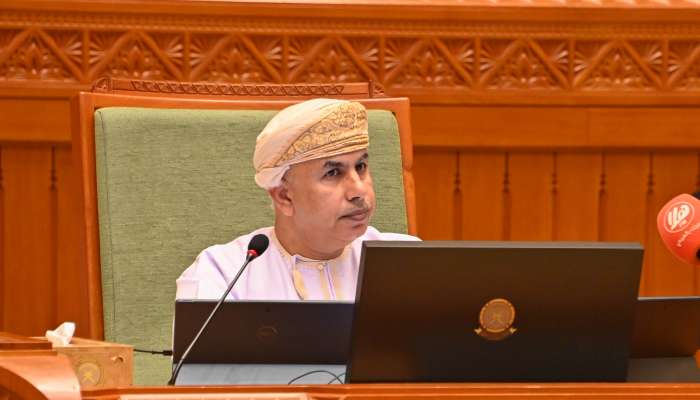
Muscat: The Shura Council of Oman hosted Dr. Hilal Ali Al Sabti, Minister of Health, during its 16th regular session to review the performance of the health sector and assess policies and programmes.
The Minister’s statement covered six key themes: institutional performance, development projects, service quality, crisis management, health transformation, and financial sustainability. It formed part of a broader evaluation aligned with Oman Vision 2040.
Key Achievements
Adoption of national frameworks including the National Health Policy and governance systems for health information.
Launch of the Omani Accreditation System for Health Institutions.
Completion of a health system evaluation in cooperation with the World Health Organization.
Implementation of premarital medical screening (effective January 1, 2026) under Royal Decree No. 111/2025.
Infrastructure Expansion
Operation of hospitals in Al Mazyouna, Al Suwaiq, Khasab, and Wadi Bani Khalid, bringing the total to 56 Ministry-affiliated hospitals.
Launch of specialized centers including fertility, recovery, and virtual health services.
Expansion and upgrading of multiple hospitals and health centers across governorates.
Establishment of kidney dialysis units in nine wilayats and expansion of emergency units.
Service Improvements
Introduction of 20–30 specialized services in regional hospitals.
Reduction in outpatient waiting times (from 32% to 24% for waits over four weeks).
Improvement in tertiary hospital response times (50% down to 30%).
83% of patients now receive non-emergency surgeries within 18 weeks.
Health Indicators
Under-five mortality reduced to 9.9 per 1,000 live births (2024).
Infant mortality decreased to 8 per 1,000 live births.
Maternal mortality dropped from 17.3 (2021) to 11.5 (2025) per 100,000 births, supported by improved prenatal care.
Workforce Development
Workforce increased from 37,732 (2021) to 44,534 (2025).
Omanization reached 71%, with near-total localization in several categories.
Over 12,600 jobs created, alongside training and employment initiatives in coordination with the Ministry of Labor.
Strategic Priorities
Expanding decentralized healthcare services across governorates.
Enhancing human resource capacity and retention.
Strengthening partnerships with the private sector.
Advancing digital health and artificial intelligence applications.
Improving pharmaceutical security and local medical industries.
Future Projects (2026–2030)
Planned under the Eleventh Five-Year Plan:
National centers for women and children’s health, ophthalmology, and rehabilitation.
Development of the Omani Genome database.
Completion of hospitals in Al-Namaa, Samail, and Al-Falah.
Expansion of recovery facilities and new healthcare infrastructure projects.
Notable Achievements & Recognition
First successful heart transplant from a brain-dead donor in Oman.
First implantation of a HeartMate 3 artificial heart.
International recognition, including awards in public health, research, and medical leadership.
Certification from the World Health Organization for eliminating mother-to-child transmission of HIV and syphilis.
Private Sector Contribution
36 private hospitals and over 2,300 health institutions operating in Oman.
More than 4 million patient visits annually.
Workforce exceeding 22,000 professionals.
The session was chaired by H.E. Khalid bin Hilal Al Maawali, with senior officials and council members in attendance.