Sunday 18 / October / 2026
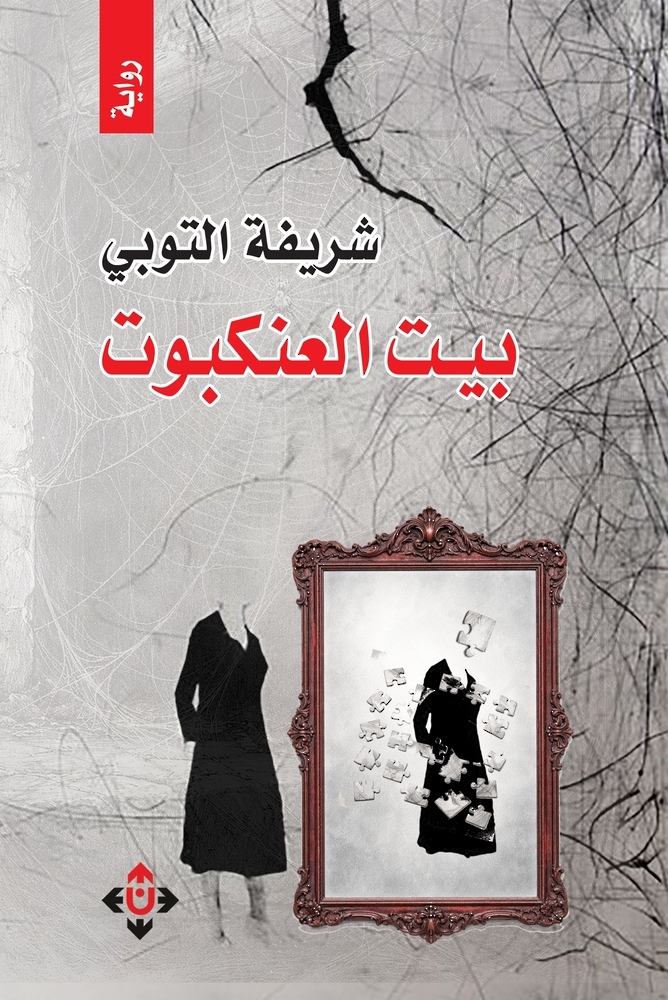
Muscat: In an era of tangled human relationships, complex journeys of self-discovery, and truths concealed behind masks of social pretense, Omani author Sharifa Al Tobi’s novel “The Spider’s Web” delivers a resounding literary confession that plunges into the depths of the human psyche and the woman’s experience in confronting heartbreak and betrayal.
The novel serves as a living human document dissecting the fragility of family and marital bonds that appear cohesive from the outside but prove as delicate as a spider’s threads.
Through its pages, Al Tobi weaves the story of a woman who shatters the wall of silence, reassembles the scattered fragments of her life, and emerges from the cocoon of fear into the realms of confrontation and liberation.
The book opens with an extraordinary dedication: “To all names bound by the feminine suffix, and to those names that have escaped this constraint.” A quotation from American writer Maya Angelou follows: “It is astonishing to be a woman. It is an adventure that demands courage, and an endless challenge.”
The novel centres on Warda, a woman in her forties who long believed herself a forgotten number on the margins of life, unworthy of a story.
The protagonist reflects: “I looked at every human being as a story in the making—except for me. Until one day I discovered that my life was a riddle, its details hidden in scattered puzzle pieces, and that I must solve it.”
Al Tobi traces the psychological roots of her protagonist’s suffering to a childhood marked by a father’s harshness and a mother’s sacrifices, which rendered Warda vulnerable to the illusion of love as an escape from deprivation.
“I wanted my husband to compensate me for all I had suffered,” she confesses. “To mend that deep collapse within me, to repair that fracture in my soul.”
In a striking cinematic scene, the author does not abandon her protagonist to despair.
Rain becomes a metaphor for renewal. The protagonist declares: “Drops of rain fall like white pearls upon my white dress... I will not drown after today. I cry out under the rain: I am the daughter of the rain.”
Published by Alaan Publishers and Distributors in Jordan (2026), “The Spider’s Web” employs stream of consciousness and flashback techniques, moving between the protagonist’s past in Muscat and Nizwa and her present in exile.
Al Tobi weaves Omani folk heritage—traditional dress, popular foods and inherited tales—to lend the narrative a distinct spatial and temporal identity.
The novel confronts the silent psychological violence women may endure within marriage. It is not merely a story of betrayal but a cry for life itself—an invitation to every woman to reclaim her lost pieces, reassemble her existence and refuse captivity in houses more fragile than a spider’s web.