Wednesday 29 / April / 2026
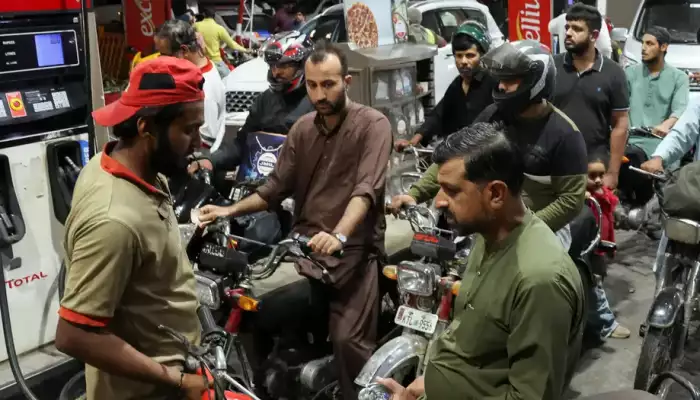
Pakistan's Prime Minister Shehbaz Sharif on Monday announced a series of measures intended to curb fuel consumption and reduce government spending amid economic strain caused by the US-Israel war with Iran.
The steps will affect schools, public services, and government workers.
Sharif also said cabinet ministers and advisers will forgo their salaries and allowances, while members of federal and provincial legislatures are expected to take voluntary pay cuts of 25%. Officials further announced a suspension of new official vehicle purchases until June 2026.
* For two months, fuel allocations for government vehicles will be reduced by 50%.
* For the next two months, 60% of government vehicles will be suspended to conserve fuel.
* Cabinet members, ministers, advisors, and special deputies will not receive salaries for the next two months.
* Parliamentary members’ salaries will be reduced by 25%.
* Government officials of grade 20 and above, earning more than 300,000 rupees, will have two days’ salary deducted for public assistance.
* All government departments will reduce non-salary expenditures by 20%.
* Purchases of vehicles, furniture, air conditioners, and other equipment for government departments are completely banned.
* Foreign travel for federal and provincial ministers, advisors, special deputies, and government officials is prohibited.
* Video conferences and online meetings will be prioritized to save fuel.
* Official state banquets and iftar gatherings are completely prohibited.
* Seminars and conferences will be held in government facilities instead of hotels to reduce costs.
* Except for essential services, other departments will operate with 50% of staff working from home.
* Government offices will remain open only four days a week.
* One additional weekly holiday has been introduced to save fuel.
* All schools will be closed for two weeks starting this week, while online lessons will commence in higher education institutions.
Analysts predict that further intensification of the economic crisis may lead to additional restrictions