Monday 26 / October / 2026
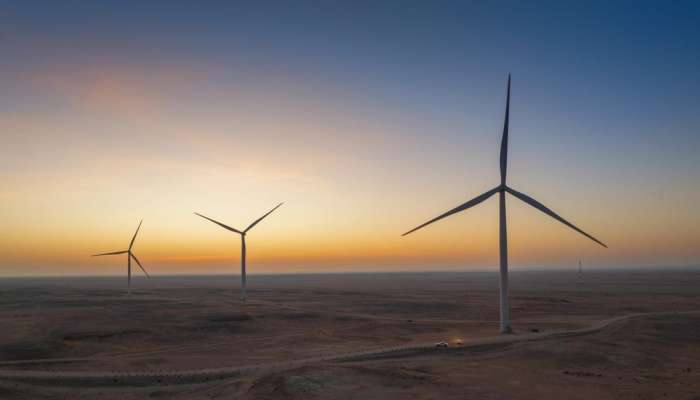
Muscat: The Ministry of Energy and Minerals continues to expand renewable energy projects as part of efforts to enhance energy security, support sustainability, and maximize the use of natural resources such as solar and wind power.
Oman aims to raise the contribution of renewable energy to the national electricity mix to 30 percent by 2030, as the sector experiences rapid growth through several major projects currently in operation.
These projects include the Ibri Solar Project II, Manah Solar Project I, Manah Solar Project II, and the Dhofar Wind Power Project I. Together, these projects have a total production capacity of around 1,550 megawatts, representing about 9.26 percent of the country’s electricity generation.
Among projects under development is the Ibri Solar Project III, expected to begin operations in the second quarter of 2027 and to include a 100-MW battery energy storage system, enhancing grid flexibility and supporting the integration of more renewable capacity.
Additional wind projects under development include the Dhofar Wind Power Project II and the Jaalan Bani Bu Ali Wind Project, which are expected to become operational in the third quarter of 2027.
Future plans through 2030 include several solar projects in Al Kamil and Al Wafi, Sinaw, and the Marsa Solar Project, as well as wind energy projects in Duqm, Mahout, Sadah, Shalim and the Hallaniyat Islands, and Al Jazir.
The planned capacity includes about 5,080 MW from solar energy and 1,720 MW from wind energy, along with a waste-to-energy project in Barka, expected to start operations in the second quarter of 2031.
Through these initiatives, Oman seeks to increase renewable energy’s share of electricity production to 30–40 percent by 2030, 60–70 percent by 2040, and 90–100 percent by 2050, reflecting its commitment to environmental and economic sustainability.
According to Hamoud bin Hamad Al-Sawafi, Director General of Renewable Energy at the ministry, renewable energy projects are a key pillar in strengthening national energy security and supporting the transition to a sustainable economy in line with the goals of Oman Vision 2040.
He noted that renewable energy’s contribution to the national grid increased from 4.26 percent in 2024 to 9.46 percent in 2025, with total renewable electricity generation exceeding 4 million megawatt-hours in 2025.
Environmental indicators show that current renewable projects help avoid around 1.62 million tonnes of carbon dioxide emissions, with expected avoided emissions rising to 9 million tonnes by 2030, including 7 million tonnes from solar projects and 2 million tonnes from wind energy.
The projects also reduce reliance on fossil fuels by avoiding the burning of approximately 1.5 billion cubic metres of natural gas, supporting the country’s transition to a low-carbon energy system in coordination with the Oman Net Zero Centre.
Meanwhile, OQ Alternative Energy continues to expand its renewable portfolio, increasing its capacity by more than 2,000 MW during 2025 through new power purchase agreements exceeding 740 MW. These include projects such as Ibri (3) and the Dhofar (2) and Jaalan Bani Bu Ali wind projects.
The company also launched Oman’s first national energy efficiency platform, which has already achieved annual savings of 22.5 gigawatt-hours of electricity and reduced carbon emissions by around 9,400 tonnes.
Construction progress is also advancing on the 128-MW North Oman Solar Power Project, while the Wind 1 and Wind 2 projects, with a combined capacity of 234 MW across 36 turbines, are expected to begin commercial operations in 2026, marking the largest wind farm currently being implemented in the country.
These initiatives form part of a broader national strategy to enhance energy security, promote value-added industries such as green hydrogen, and strengthen Oman’s competitiveness in the regional and global clean energy sector.