Sunday 11 / October / 2026
Muscat: Protecting fish stocks in the Sultanate of Oman is of national importance due to its contribution to the economy, food security, and the livelihoods of artisanal fishermen. Legislation and awareness programs have been enacted to ensure the sustainability of this vital sector, strengthen cooperation between authorities and the community, combat harmful practices, and preserve marine wealth for future generations.
Dr. Hussein bin Mohammed Al-Musqati, Director of the Fisheries Development Department at the Ministry of Agricultural Wealth, Fisheries and Water Resources, told ONA that the Ministry closely regulates fishing tools and practices to protect the marine environment and maintain fish stocks. He highlighted that improper use of certain fishing equipment can increase bycatch and cause ecological imbalances.
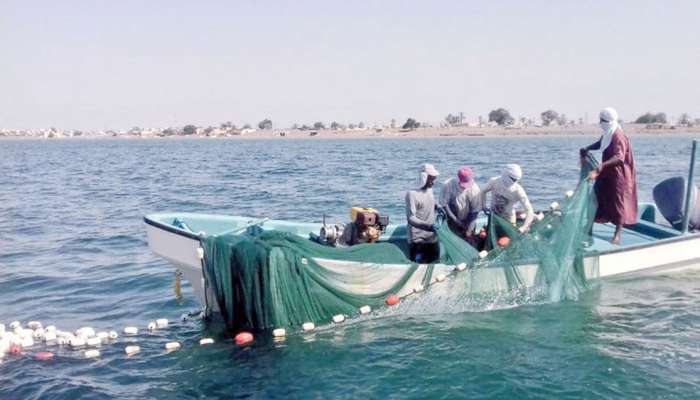
He explained that traditional fishing methods, such as coastal nets, are widely used in governorates including North and South Al Batinah, Muscat, Musandam, and Dhofar. These nets primarily target small surface fish like anchovies and wild fish during their seasons. When used according to approved regulations, untargeted fish can be safely released, but non-compliance can threaten ecological balance.
Regarding encircling or circular nets, Dr. Al-Musqati noted two types: one that allows non-target fish to escape, and another that traps all fish within. He emphasized that misuse of these nets can deplete fish stocks over the medium and long term. The Ministry issues clear regulations on net types, technical specifications, areas, seasons, targeted species, and licensing, in coordination with the Sea Law Committees.
The Ministry also implements ban seasons for certain gear, such as purse seine nets from August to November, to protect small fish and allow stocks to regenerate. Fishing is prohibited in sensitive marine areas, including coral reefs and mangroves, to preserve biodiversity.
Dr. Al-Musqati added that continuous awareness campaigns, seminars, field visits, and media publications target artisanal fishermen, complemented by intensified monitoring by judicial control teams. A recent cooperation agreement with the Security and Safety Services Corporation enhanced fisheries control efficiency. Violations of regulations incur graduated penalties, including fines, confiscation of equipment, or suspension of licenses, applied with justice and transparency.
Modern technology, such as vessel tracking systems (VMS), is used to monitor fishing activities in real time. All artisanal fishing boats are being equipped with electronic tracking devices to enhance oversight. Coordination with the Coast Guard, Environment Authority, Sea Customs Committees, and Omani Fishermen’s Association is fundamental to controlling illegal fishing, protecting the marine environment, and sustaining fish stocks.
Dr. Mona bint Hashel Al-Tarshi, marine life management specialist at the Environment Authority, explained that bycatch harms non-target species such as turtles, sharks, and marine mammals, causing imbalances in food webs and long-term declines in biodiversity. She stressed that continued bycatch threatens endangered species and destabilizes marine ecosystems, particularly slow-reproducing species.
Jassim bin Abu Bakr Al-Balushi, a craft fisherman, noted that overfishing directly threatens artisanal livelihoods and marine balance. He stressed the importance of raising awareness among young fishermen, promoting responsible fishing practices, and encouraging the reporting of maritime violations.
He also highlighted challenges, including changing fishing seasons and regulations regarding nets and long lines, which require greater awareness and understanding. Dr. Al-Musqati and Mr. Al-Balushi emphasized that preserving fish stocks is a shared responsibility among fishermen, regulatory authorities, and the community. The role of the Sea Customs Committees is vital in organizing maritime activities, resolving issues, and supporting sustainable practices.
Protecting fish stocks requires strict adherence to laws, sustainable fishing practices, monitoring, and continuous awareness campaigns, ensuring the sustainability of marine resources for present and future generations.