Saturday 13 / June / 2026
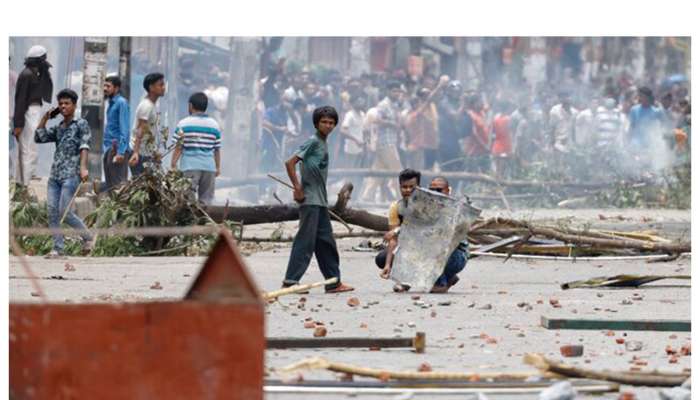
Bangladesh, which emerged in 1971 under the banners of language, secularism, and Bengali identity, where poets, mystics, and folk singers have historically shaped the national spirit, now stands at a precarious juncture.
Following the collapse of Sheikh Hasina’s administration in August 2024 and the ascension of Muhammad Yunus as interim chief adviser, the nation seems to be regressing on several fronts like political freedom, minority rights, economic security, and, most critically, cultural secularism.
Reports from human rights organizations, minority advocacy groups, and journalists indicate a disturbing rise in religious intolerance. Secular symbols are being targeted, folk traditions face suppression, and statues and murals integral to Bangladesh’s cultural identity are being defaced or dismantled. The overall impact is a climate of fear, self-censorship, and a significant erosion of the vibrant public culture that once embraced diversity.
Data gathered by the Bangladesh Hindu Buddhist Christian Unity Council highlights 2,442 instances of communal violence from August 2024 to mid-2025, encompassing murders, sexual assaults, attacks on places of worship, looting, vandalism, and property confiscations.
In just the first half of 2025, there were 258 incidents aimed at religious minorities, 27 murders, 59 assaults on places of worship, and numerous homes and businesses devastated. The victims include men, women, and young people, many of whom have been compelled to abandon their homes in terror.
In spite of the extensive violence, the government’s response has been largely deemed insufficient. Arrests are infrequent, prosecutions even more so, and victims claim that many offenders operate with a sense of impunity. Law enforcement and the interim administration frequently minimize the communal aspects of these events, instead attributing them to political factors.
Religious extremists seem increasingly confident in their efforts to confront cultural expressions that diverge from their strict interpretations of Islam. Two notable instances illustrate this trend. Firstly, the Bauls, who are mystical folk artists influenced by Sufi Islam while also incorporating elements from Hindu and indigenous cultures, have been persistently targeted.
Since August 2024, reports indicate that over 320 Baul performances have been cancelled, with 91 of those occurring in Dhaka alone. Organizations like Hefazat-e-Islam have openly called for bans on Baul performances, denouncing their music as ‘anti-Sharia’ or ‘anti-Islam.’ At Sufi shrines, where devotional music once resonated as the lifeblood of local communities, performances are dwindling due to threats and pressure to cancel events.
Secondly, the symbolic cultural heritage of the nation is under attack. In the aftermath of Hasina’s resignation, more than 1,500 sculptures, reliefs, murals, and memorials have been damaged or destroyed across the country. Among the casualties are statues of Bangabandhu Sheikh Mujibur Rahman, the Shaheed Minar, and monuments within the Mujibnagar Liberation Memorial Complex.
Even the Lady Justice statue at the Supreme Court was removed following objections from Islamist groups. These actions are not mere acts of vandalism; they signify a broader assault on memory, identity, and the secular ethos of Bangladesh.9
In addition to these prominent cases, there is another equally important instances of cultural repression. Folk festivals like the Poila Boishakh (Bengali New Year) celebrations in Dhaka and rural fairs, where Hindu and Muslim artisans work together, have been restricted or subjected to police limitations under the pretext of ‘security concerns.’ Traditional crafts, such as pottery from the Kushtia district, Nakshi Kantha embroidery, and Patachitra paintings, have faced market shutdowns and harassment of artisans, which has adversely affected both their livelihoods and the transmission of cultural heritage.
Even intangible cultural practices are experiencing significant pressure. The Gazi Pir festival in Jessore, a syncretic Sufi-Hindu devotional celebration, along with the Lalon Festival in Kushtia, which honors the Baul mystic poet, have been repeatedly threatened, compelling organizers to either scale back or completely cancel events. In some instances, performers have reported being publicly shamed, threatened, or even physically assaulted for donning traditional attire or singing devotional songs.
Much of the criticism aimed at the Yunus interim government focuses not only on the current situation but also on the inaction regarding these issues. Few cases have been thoroughly investigated or prosecuted.
Numerous minority groups claim that the administration has turned a blind eye to such attacks, even when the culprits are known. With radical factions like Jamaat-e-Islami re-emerging in the public sphere, there are growing concerns, that the state is leaning towards appeasement or failing to curb extremist elements. Although formal alliances remain unclear, the notable rise in Islamist rhetoric, the cancellation of secular cultural events, and diminished protections for minority rights indicate a troubling shift.
Bangladesh’s founding constitution established secularism as a fundamental principle, yet symbolic actions such as the removal or defacement of secular art and monuments, along with bans on Baul or Sufi music, threaten this legacy. These issues extend beyond mere culture wars; they have profound implications for collective memory, identity, and interfaith trust.
Religious intolerance is intertwined with a wider regression. Political freedoms and democratic principles are facing significant pressure: the interim government has proposed measures to limit Awami League activities, thereby undermining political diversity. The civil service and media are experiencing crackdowns, including new regulations that permit the dismissal of bureaucrats without due process and the revocation of journalist credentials. Economic confidence is also waning, as foreign investment, business sentiment, and tourism are adversely affected by both political instability and cultural repression.
Bangladesh is not just a secular state in theory; its culture has historically been a blend of various influences, including Hindu, Buddhist, Muslim, and indigenous elements. The music of Lalon Shah, the wandering Baul poets, rural folk theatre traditions like Jatra, and village rituals rooted in communal harmony are integral to the nation’s identity. When minorities or non-conforming Muslims are treated as second-class citizens, it breeds mistrust, which destabilizes local communities and undermines national unity. Once traditions are silenced or monuments are destroyed, the losses can be irreversible. Baul music, being oral and performative, is at risk of vanishing if its practitioners and apprentices are intimidated or scattered.
A state that permits violence, stifles dissent, and restricts freedoms-especially those related to religion and expression-risks losing its legitimacy both at home and abroad. To halt this decline, a comprehensive strategy is crucial. Robust legal protections must be established to safeguard cultural heritage, ensuring that anti-vandalism laws are effectively enforced and that blasphemy or defamation laws are not misused to stifle artistic expression. Independent investigations, potentially led by commissions or NGOs, should document assaults on cultural heritage, identify patterns, and hold accountable those in positions of authority.
The restoration and safeguarding of cultural symbols is of utmost importance: memorials that have been destroyed need to be rebuilt, performance venues must be maintained, and the folk, Sufi, and Baul arts which are vital representations of the nation’s heritage-should receive proper funding and promotion.
It is essential for political will and leadership to be present, as leaders are required to condemn acts of religious intolerance as a moral duty rather than a matter of political convenience, while state institutions must stand firm against pressures from groups advocating for narrow religious orthodoxy. Moreover, inclusive governance and representation are crucial to ensure that minority voices are acknowledged in media, education, and local matters; curricula should foster pluralism, and secular principles must be upheld within public institutions.
Should those in positions of power-whether they are in government, civil society, religious leadership, or among ordinary citizens-neglect to take action, Bangladesh faces the peril of losing its distinctive identity: its cultivated plurality. In times of fear, it is through resistance manifested in art, memory, and solidarity that a nation sustains its existence.